Frontier Design Remodeling

SCHEDULE YOUR COMPLIMENTARY CONSULTATION

    Contact Us ▼


    Ayushi

    How Much Does a Bathroom Remodel Cost in Denver, CO? (2026 Guide)

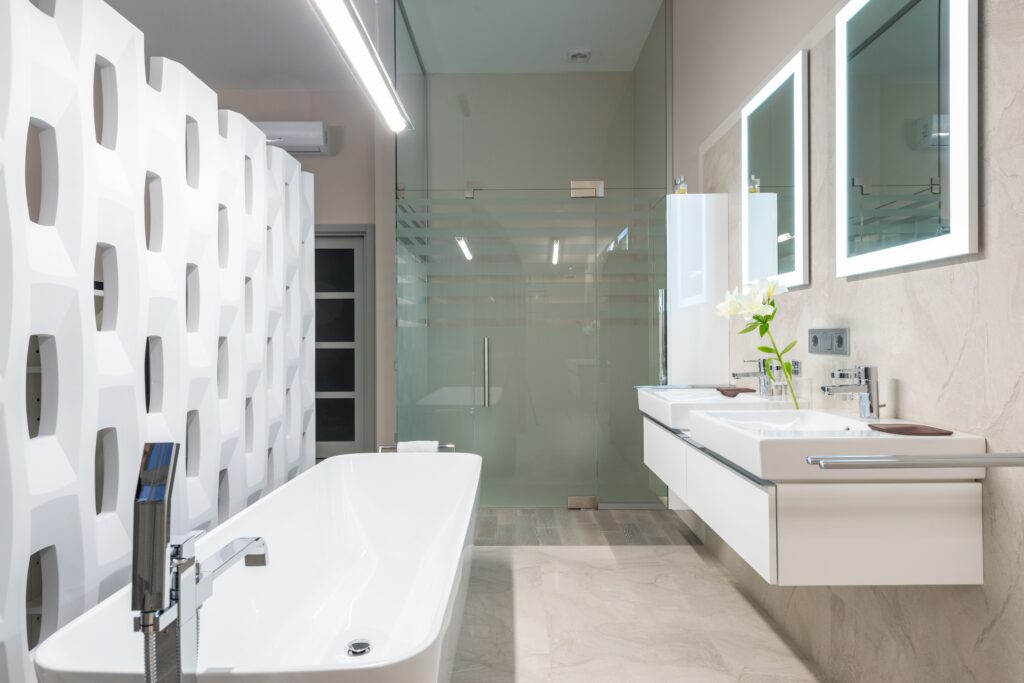
    How Much Does a Bathroom Remodel Cost in Denver, CO? (2026 Guide) in Denver, CO – Frontier Design Remodeling See Our Bathroom Projects If you’re planning a bathroom remodel in Denver, one of the first questions you’ll ask is: How much will it cost? The answer depends on several factors, including the size of your bathroom, the quality of materials you choose, and whether you’re making layout changes. In 2026, Denver homeowners can expect bathroom remodeling costs to range from $12,000 for basic updates to $60,000+ for luxury renovations, with most mid-range projects falling between $20,000 and $35,000. In this guide, we’ll break down bathroom remodeling costs in Denver, explain the biggest factors that affect pricing, and share practical budgeting tips to help you get the most value from your investment. Average Bathroom Remodel Cost in Denver (2026) While every project is unique, most bathroom remodels in the Denver metro area fall into the following ranges: Remodel Type Average Cost Range Cosmetic Refresh $5,000 – $12,000 Basic Remodel $12,000 – $20,000 Mid-Range Remodel $20,000 – $35,000 High-End Remodel $35,000 – $60,000+ Luxury Primary Bathroom $60,000 – $100,000+ These estimates align with current Denver remodeling trends and regional construction costs. Denver’s labor rates and permit requirements generally make bathroom remodeling more expensive than the national average. Kitchen Remodeling Bathroom Remodel Basement Finishing Bathroom Remodel Costs by Bathroom Type Guest Bathroom or Hall Bathroom A standard guest bathroom remodel typically includes: New vanity Updated toilet New flooring Tub or shower replacement Lighting upgrades Fresh paint Average Cost: $12,000 – $25,000 Because these bathrooms are usually smaller, they often offer one of the best returns on investment. Primary Bathroom Remodel Primary bathrooms generally involve: Larger shower systems Double vanities Premium tile work Custom storage solutions Freestanding tubs Frameless glass enclosures Average Cost: $25,000 – $50,000+ Luxury Spa Bathroom Luxury bathroom renovations may include: Heated floors Steam showers Smart mirrors Custom cabinetry Natural stone surfaces Designer fixtures Average Cost: $50,000 – $100,000+ A standard guest bathroom remodel typically includes: New vanity Updated toilet New flooring Tub or shower replacement Lighting upgrades Fresh paint Average Cost: $12,000 – $25,000 Because these bathrooms are usually smaller, they often offer one of the best returns on investment. Primary bathrooms generally involve: Larger shower systems Double vanities Premium tile work Custom storage solutions Freestanding tubs Frameless glass enclosures Average Cost: $25,000 – $50,000+ Luxury bathroom renovations may include: Heated floors Steam showers Smart mirrors Custom cabinetry Natural stone surfaces Designer fixtures Average Cost: $50,000 – $100,000+ What Factors Affect Bathroom Remodel Costs? 1. Bathroom Size Larger bathrooms require more: Flooring Tile Paint Labor Fixtures Even a few extra square feet can significantly impact your final budget. 2. Material Selections Material choices often create the biggest price differences. For example: Material Budget Option Premium Option Flooring Luxury Vinyl Tile Natural Stone Vanity Stock Cabinet Custom Cabinetry Countertops Laminate Quartz or Marble Shower Tile Ceramic Porcelain or Natural Stone High-end finishes can increase project costs by thousands of dollars. 3. Plumbing Changes Keeping plumbing fixtures in their existing locations is one of the easiest ways to save money.Moving: Toilets Showers Tubs Sink locations typically requires additional plumbing labor and can add several thousand dollars to a project budget. 4. Custom Tile Work Tile installation is often one of the most labor-intensive portions of a bathroom remodel. Custom patterns, large-format tiles, niche shelving, and floor-to-ceiling shower walls can dramatically increase labor costs. Industry sources consistently identify tile work as one of the largest cost variables in bathroom renovations. 5. Labor Costs in Denver Denver remains one of the more expensive remodeling markets in the Mountain West region. Labor often accounts for 40%–50% of a bathroom remodel budget, particularly when licensed plumbers and electricians are involved. Skilled trade shortages and continued demand for remodeling projects contribute to higher labor rates across the metro area. Larger bathrooms require more: Flooring Tile Paint Labor Fixtures Even a few extra square feet can significantly impact your final budget. Material choices often create the biggest price differences. For example: Material Budget Option Premium Option Flooring Luxury Vinyl Tile Natural Stone Vanity Stock Cabinet Custom Cabinetry Countertops Laminate Quartz or Marble Shower Tile Ceramic Porcelain or Natural Stone High-end finishes can increase project costs by thousands of dollars. Keeping plumbing fixtures in their existing locations is one of the easiest ways to save money.Moving: Toilets Showers Tubs Sink locations typically requires additional plumbing labor and can add several thousand dollars to a project budget. Tile installation is often one of the most labor-intensive portions of a bathroom remodel. Custom patterns, large-format tiles, niche shelving, and floor-to-ceiling shower walls can dramatically increase labor costs. Industry sources consistently identify tile work as one of the largest cost variables in bathroom renovations. Denver remains one of the more expensive remodeling markets in the Mountain West region. Labor often accounts for 40%–50% of a bathroom remodel budget, particularly when licensed plumbers and electricians are involved. Skilled trade shortages and continued demand for remodeling projects contribute to higher labor rates across the metro area. Cost Breakdown for a Typical Denver Bathroom Remodel Here’s how a typical mid-range bathroom remodeling budget is often allocated: Category Percentage of Budget Labor 40–50% Tile & Flooring 15–25% Plumbing Fixtures 10–15% Cabinetry & Vanity 10–15% Lighting & Electrical 5–10% Paint & Finishes 3–5% Permits & Miscellaneous 2–5% Actual percentages vary depending on project scope and material selections. Do Bathroom Remodels Increase Home Value? Yes. Bathroom remodels remain one of the most valuable home improvement projects for Denver homeowners. Benefits include: Improved functionality Enhanced comfort Increased energy efficiency Better storage solutions Higher resale appeal Well-designed bathroom renovations can provide a strong return on investment while making everyday living more enjoyable. Mid-range bathroom remodels often recover a substantial portion of their cost when selling a home. How to Save Money on a Bathroom Remodel If you’re working within a budget, consider these strategies: Keep the Existing Layout Avoid moving plumbing fixtures whenever possible. Choose Durable Mid-Range Materials Many

    How Much Does a Bathroom Remodel Cost in Denver, CO? (2026 Guide) Read More »

    Choosing the Right Home Remodeling Contractor in Denver, CO

    Choosing the Right Home Remodeling Contractor in Denver, CO in Denver, CO – Frontier Design Remodeling See Our Projects Choosing the right home remodeling contractor can make the difference between a smooth, successful renovation and a stressful, expensive experience. Whether you’re planning a kitchen remodel, bathroom renovation, basement finishing project, or a full-home transformation, the contractor you hire will directly impact your budget, timeline, craftsmanship quality, and overall satisfaction. In Denver’s competitive remodeling market, homeowners have countless options — but not all contractors deliver the same level of professionalism, communication, or expertise. That’s why careful research and planning are essential before signing any remodeling agreement. The best remodeling contractors do far more than simply complete construction work. They help homeowners navigate design decisions, permits, budgeting, scheduling, material selection, and project coordination while ensuring the finished space aligns with the homeowner’s vision and lifestyle. If you’re planning a renovation in Colorado this year, this guide explains how to choose the right home remodeling contractor in Denver, what warning signs to avoid, and what qualities separate great contractors from average ones. Questions to Ask Before Hiring a Remodeling Contractor Here are a few important questions every homeowner should ask: Contractor Interview Questions How long have you worked in Denver remodeling? Are you licensed and insured? Who manages the project daily? How do you handle scheduling? What permits are required? How are changes handled? What warranties do you offer? Can you provide references? How do you communicate project updates? The answers to these questions can reveal a great deal about professionalism and organization. Kitchen Remodeling Bathroom Remodel Basement Finishing Custom Carpentry 1. Start by Defining Your Remodeling Goals Before contacting contractors, homeowners should clearly define the scope of their project. Ask yourself: What spaces are being remodeled? What is your budget? What style do you want? What problems are you trying to solve? What is your ideal timeline? Are you planning to stay long-term or sell? The clearer your goals are, the easier it becomes to communicate with potential contractors and receive accurate proposals. For example: A kitchen remodel may prioritize entertaining and storage. A basement finish may focus on additional living space. A bathroom remodel may prioritize accessibility and comfort. Professional design-build remodeling companies often help homeowners refine these goals during the consultation phase. 2. Look for Local Denver Remodeling Experience Hiring a contractor familiar with Denver neighborhoods, permits, climate conditions, and local building codes is extremely important. Denver remodeling projects often involve unique challenges such as: Older home infrastructure Historic neighborhood regulations Permit review timelines Structural modifications Colorado climate considerations Local experience helps contractors anticipate potential issues before construction begins. Companies like Frontier Design Remodeling specialize in remodeling services throughout Denver and surrounding communities, offering expertise in kitchens, bathrooms, basements, additions, and full-home renovations. 3. Verify Licensing and Insurance One of the first things homeowners should confirm is whether the contractor is properly licensed and insured. Professional remodeling contractors should carry: General liability insurance Workers’ compensation insurance Proper business licensing These protections help safeguard homeowners in case of accidents, property damage, or job-site injuries. Never assume a contractor is licensed simply because they have a website or online presence. 4. Review Their Portfolio Carefully A contractor’s portfolio reveals a great deal about their craftsmanship, design style, and project experience. When reviewing remodeling portfolios, pay attention to: Design quality Material selections Attention to detail Variety of project types Finish consistency Functional layouts Look for projects similar to your own renovation goals. For example: If you want a modern kitchen remodel, review completed kitchen projects. If you’re planning basement finishing, ask for basement examples. Frontier Design Remodeling Portfolio showcases remodeling work including kitchens, bathrooms, basement finishes, and custom carpentry projects. 5. Read Reviews and Client Testimonials Online reviews can provide valuable insight into a contractor’s reliability, communication style, and professionalism. Look for recurring patterns in feedback related to: Timeliness Cleanliness Communication Budget accuracy Problem-solving Craftsmanship Homeowners consistently value contractors who communicate clearly and stay organized throughout the project process. According to testimonials published by Frontier Design Remodeling, clients frequently highlight professionalism, communication, craftsmanship, and responsiveness during projects. One homeowner noted that the Frontier team helped explain design alternatives and offered budget-conscious recommendations during the planning process. 6. Ask About Their Remodeling Process Professional remodeling companies should have a clearly defined process from consultation through final completion. A structured process typically includes: Consultation Design and planning Budget development Material selection Permitting Construction Final walkthrough Clear project organization reduces confusion, delays, and unexpected costs. According to Frontier Design Remodeling, their remodeling process includes consultation, design planning, material sourcing, permit management, and expert construction oversight. 7. Understand Whether They Are Design-Build Contractors Design-build remodeling companies handle both design and construction under one team. This approach offers several advantages: Better communication Faster project coordination Streamlined scheduling More accurate budgeting Reduced homeowner stress Instead of hiring separate designers, architects, and contractors, homeowners work with one integrated team. Many Denver homeowners prefer design-build remodeling because it simplifies project management and improves overall efficiency. 8. Request Detailed Estimates Never rely on vague pricing or verbal estimates. Professional remodeling proposals should clearly outline: Labor costs Material allowances Permit fees Timeline expectations Scope of work Payment schedule Detailed estimates help homeowners compare contractors more accurately and reduce misunderstandings later. Be cautious of bids that seem dramatically lower than competitors. Extremely low bids may indicate: Inferior materials Missing project components Inexperienced labor Future change orders 9. Ask About Permits and Inspections Permits are essential for many remodeling projects in Denver. Kitchen remodels, bathroom renovations, basement finishes, additions, plumbing work, and structural modifications often require city approvals and inspections. Professional contractors should understand: Denver permit requirements Inspection scheduling Building code compliance Structural review processes Frontier Design Remodeling includes planning and permitting support as part of their remodeling services to help streamline projects for homeowners. 10. Communication Is One of the Most Important Factors One of the biggest complaints homeowners have during remodeling projects is poor communication. Before hiring a contractor, pay attention to:

    Choosing the Right Home Remodeling Contractor in Denver, CO Read More »

    What Adds the Most Value During a Home Renovation in Denver?

    What Adds the Most Value During a Home Renovation in Denver? in Denver, CO – Frontier Design Remodeling See Our Projects Home renovation is one of the biggest investments many homeowners make. Whether you are updating your forever home or preparing to sell in Denver’s competitive real estate market, one question always comes first: Which renovations add the most value? The truth is that not all remodeling projects offer the same return on investment (ROI). Some upgrades significantly increase resale value and buyer appeal, while others mainly improve personal enjoyment without dramatically boosting market price. In Denver, the most valuable renovations are typically the ones that improve functionality, increase usable living space, modernize outdated interiors, enhance energy efficiency, and strengthen curb appeal. Kitchens, bathrooms, basements, and exterior upgrades consistently rank among the highest-value remodeling projects for Colorado homeowners. The key is choosing renovations that balance modern design, long-term practicality, and neighborhood expectations. If you’re planning a renovation in 2026, this guide explains which home improvements add the most value in Denver and how to maximize your remodeling investment. Why Renovation ROI Matters Before starting any remodeling project, homeowners should understand that “value” means more than resale price alone. A successful renovation can provide: Increased property value Better daily functionality Improved energy efficiency Enhanced comfort Stronger buyer appeal Faster resale potential In Denver’s housing market, buyers are increasingly prioritizing move-in-ready homes with updated kitchens, modern bathrooms, flexible living spaces, and energy-efficient features. The best renovations improve both your quality of life and your home’s long-term market competitiveness. Kitchen Remodeling Bathroom Remodel Basement Finishing Custom Carpentry 1. Kitchen Remodeling Adds Significant Value Kitchen remodeling consistently ranks among the most valuable interior renovation projects.Because kitchens are central gathering spaces, buyers pay close attention to layout, storage, finishes, lighting, and functionality. Why Kitchens Matter So Much Modern buyers want kitchens that feel: Open and functional Bright and inviting Updated but timeless Efficient for cooking and entertaining Well-organized According to renovation ROI data, minor to mid-range kitchen remodels often provide stronger returns than luxury overhauls. High-Value Kitchen Upgrades Quartz countertops Updated cabinetry Kitchen islands Energy-efficient appliances Improved lighting Better storage solutions Modern backsplashes Open-concept layouts Many Denver homeowners are also investing in custom kitchen layouts designed around entertaining, remote work, and family living. Frontier Design Remodeling specializes in personalized kitchen remodeling solutions that combine modern aesthetics with practical functionality for Denver-area homes. Frontier Design Remodeling 2. Bathroom Renovations Offer Strong ROI Bathrooms are another high-impact renovation category.Even smaller bathroom upgrades can significantly improve how a home feels to buyers and homeowners alike. Why Bathrooms Add Value Outdated bathrooms often make homes feel older and poorly maintained.Modern bathrooms create impressions of: Cleanliness Comfort Luxury Convenience Move-in readiness According to remodeling data, mid-range bathroom renovations typically outperform ultra-luxury remodels in terms of pure ROI. Bathroom Features Buyers Love Walk-in showers Double vanities Modern tile Updated lighting Water-efficient fixtures Heated flooring Better ventilation Smart storage Denver homeowners are increasingly prioritizing spa-inspired bathrooms designed for relaxation and long-term comfort. Professional remodeling companies like Frontier Design Remodeling help homeowners modernize bathrooms while improving both usability and resale appeal. Bathroom Remodeling Services 3. Finished Basements Add Valuable Living Space In Denver, basement finishing is one of the smartest investments homeowners can make.Many Colorado homes already include unfinished basements, making them ideal opportunities for expanding livable square footage without building expensive additions. Why Basement Finishing Adds Value Finished basements provide flexible space for: Entertainment rooms Guest suites Home gyms Offices Rental units Media rooms Multi-generational living Additional functional square footage is especially valuable in Denver’s high-cost housing market. Popular Basement Remodeling Features Wet bars Home theaters Legal bedrooms Egress windows Home offices Built-in storage Soundproofing Denver homeowners increasingly view basements as full extensions of the main home rather than secondary utility spaces. 4. Curb Appeal Upgrades Deliver Excellent Returns One of the biggest surprises for homeowners is that exterior renovations often outperform interior remodels in pure ROI.According to remodeling ROI reports, curb appeal projects consistently rank among the highest-return home improvements. Why Exterior Improvements Matter Buyers form opinions within seconds of seeing a home.Strong curb appeal creates impressions of: Good maintenance Higher quality Better value Pride of ownership Additional functional square footage is especially valuable in Denver’s high-cost housing market. High-ROI Exterior Upgrades Garage door replacement Front door replacement Exterior paint Stone veneer accents Landscaping improvements Updated lighting New siding Even relatively small exterior upgrades can dramatically improve buyer perception and marketability. 5. Open-Concept Layouts Increase Buyer Appeal Older Denver homes often feature compartmentalized floor plans that feel disconnected from modern living preferences.Today’s buyers strongly prefer open, flowing layouts that support entertaining and family interaction. Valuable Layout Improvements Removing non-structural walls Expanding kitchens Creating better sightlines Improving natural light Connecting indoor-outdoor spaces Open-concept remodeling remains especially popular in Denver because homeowners value bright, airy interiors that complement Colorado’s lifestyle and natural surroundings. 6. Energy-Efficient Upgrades Add Long-Term Value Energy efficiency has become increasingly important for Denver homeowners and buyers alike.Colorado’s climate makes efficient heating, cooling, insulation, and windows highly valuable investments. Energy-Efficient Improvements That Add Value New windows Smart thermostats Improved insulation LED lighting Energy-efficient appliances High-efficiency HVAC systems Water-saving fixtures Energy-conscious buyers often prioritize homes with lower long-term utility costs. Sustainable remodeling also aligns with growing demand for environmentally responsible home design. 7. Home Additions Can Dramatically Increase Value When designed properly, home additions can substantially increase both livable space and resale value. Valuable Addition Types Primary suite additions Expanded kitchens Sunrooms Mudrooms Additional bathrooms Home offices However, additions must align with neighborhood property values and local buyer expectations. Overspending beyond neighborhood standards may reduce ROI potential. This is why thoughtful planning and local market awareness are essential before beginning major expansion projects. 8. Home Office Spaces Continue to Matter Remote and hybrid work have permanently changed how homeowners use their living spaces. Dedicated home office space remains highly desirable in 2026. Valuable Home Office Features Built-in storage Sound insulation Strong lighting Flexible layouts Privacy Integrated technology Denver homeowners increasingly

    What Adds the Most Value During a Home Renovation in Denver? Read More »

    7 Signs It’s Time to Remodel Your Bathroom or Kitchen

    7 Signs It’s Time to Remodel Your Bathroom or Kitchen in Denver, CO – Frontier Design Remodeling See Our Projects Your kitchen and bathroom are two of the most important spaces in your home. They are used every single day, influence your home’s comfort and functionality, and play a major role in property value. But over time, even well-built kitchens and bathrooms begin to show signs of wear, inefficiency, and outdated design. Many homeowners delay remodeling because they assume renovations are only necessary when something completely breaks. In reality, remodeling before major problems occur can save money, improve daily living, and increase long-term home value. If you’ve been wondering whether it’s finally time for an upgrade, there are several clear indicators that your kitchen or bathroom may no longer meet your needs. Why Denver Homeowners Are Remodeling More in 2026 Home remodeling continues to grow in popularity across Colorado. Several trends are driving increased kitchen and bathroom renovations in Denver: Rising Home Values Many homeowners prefer improving their current homes instead of buying in a competitive market. Aging Housing Inventory Older homes often require modernization and updated systems. Lifestyle Changes Remote work and increased time at home have changed how people use their living spaces. Personalization Trends Homeowners increasingly want custom spaces tailored to their unique lifestyles. Frontier Design Remodeling emphasizes personalized design, collaborative planning, and functional remodeling solutions designed specifically for Denver-area homeowners. Kitchen Remodeling Bathroom Remodel Basement Finishing Custom Carpentry Here are the top signs Denver homeowners should watch for when deciding whether it’s time to remodel their kitchen or bathroom. 1. Your Layout No Longer Works for Your Lifestyle One of the biggest reasons homeowners remodel is not because their space looks bad — it’s because it no longer functions properly. Your kitchen or bathroom may have worked perfectly years ago, but lifestyles change over time. Common Layout Problems in Kitchens Limited counter space Poor traffic flow Lack of storage Cramped cooking areas Insufficient seating Closed-off floor plans Common Bathroom Layout Issues Tiny vanities Poor lighting Lack of storage Inconvenient fixture placement Insufficient privacy Small showers or tubs Modern homeowners expect kitchens and bathrooms to support busy, multifunctional lifestyles. According to remodeling professionals, today’s kitchen renovations often focus heavily on improving functionality through better layouts, custom storage, and open-concept design. If your space constantly frustrates you during daily routines, it may be time for a remodel. 2. Your Home Looks Outdated Design trends evolve, and outdated kitchens or bathrooms can make an entire home feel older. While some classic styles remain timeless, many older spaces still feature materials and layouts that no longer reflect modern living. Signs Your Kitchen Feels Dated Old oak cabinets Laminate countertops Fluorescent lighting Worn tile backsplashes Closed layouts Outdated appliances Signs Your Bathroom Feels Outdated Builder-grade fixtures Old tile patterns Inefficient vanities Poor lighting Oversized tubs rarely used Aging finishes Today’s remodeling trends emphasize cleaner lines, improved storage, energy efficiency, and personalized design. Homeowners across Denver are increasingly investing in updated kitchens and bathrooms that combine modern aesthetics with long-term practicality. Frontier Design Remodeling specializes in custom kitchen and bathroom renovations designed around each homeowner’s style and lifestyle goals. 3. You’re Running Out of Storage Space Lack of storage is one of the most common complaints homeowners have about older kitchens and bathrooms.If countertops are constantly cluttered or cabinets feel overcrowded, your current design may not be using space efficiently. Signs You Need Better Kitchen Storage Overstuffed cabinets No pantry space Limited drawer organization Appliances covering countertops Overflowing kitchen tools Modern remodeling focuses heavily on smart storage solutions. Popular upgrades include: Pull-out pantry systems Deep drawer organizers Hidden appliance garages Floating vanities Built-in shelving Custom cabinetry Toe-kick drawers Signs Your Bathroom Lacks Storage Minimal vanity storage Cluttered countertops No linen storage Poor medicine cabinet space Limited organization Frontier Design Remodeling offers custom cabinetry and personalized storage solutions that improve both functionality and visual appeal. A well-designed remodel can dramatically reduce clutter while making your daily routines easier and more efficient. 4. You’re Dealing with Frequent Repairs Minor maintenance issues are normal over time, but repeated repairs are often a sign that larger updates are needed. Kitchen Warning Signs Broken cabinet doors Leaking faucets Cracked countertops Malfunctioning appliances Water damage Worn flooring Bathroom Warning Signs Persistent leaks Mold or mildew Loose tiles Plumbing problems Water stains Damaged grout In many older homes, hidden problems may also exist behind walls, including outdated plumbing or aging electrical systems. Repeated patchwork repairs can become expensive over time. In many cases, investing in a full remodel becomes more cost-effective than continuously fixing failing components. Professional remodeling companies can identify underlying structural or mechanical issues before they become more serious. 5. Your Energy or Water Bills Are Increasing Older kitchens and bathrooms often contain outdated fixtures and inefficient systems that waste energy and water.Modern remodeling projects frequently include eco-friendly upgrades that improve both sustainability and monthly utility costs. Energy-Efficient Kitchen Upgrades Smart appliances LED lighting Energy-efficient windows Induction cooktops Water-saving faucets Bathroom Efficiency Improvements Low-flow toilets Water-saving showerheads LED mirrors Improved ventilation Smart lighting systems Frontier Design Remodeling incorporates eco-friendly remodeling solutions and energy-efficient upgrades into modern kitchen and bathroom projects across Denver. Reducing utility costs while improving comfort has become a major priority for many Colorado homeowners. 6. Your Family’s Needs Have Changed Your home should evolve with your lifestyle.A kitchen or bathroom that worked years ago may no longer support your current needs. Life Changes That Often Trigger Remodeling Growing families Aging in place Remote work Frequent entertaining Multigenerational living Increased home value goals For example: Families may need larger kitchens with better seating. Empty nesters may want luxury spa-style bathrooms. Aging homeowners may prioritize accessibility upgrades. Professionals working from home may need more functional layouts. Bathroom remodels increasingly include features like walk-in showers, wider doorways, better lighting, and comfort-focused upgrades designed for long-term usability. Kitchen remodeling trends are also shifting toward multifunctional spaces designed for cooking, entertaining, homework, and remote work simultaneously. When your

    7 Signs It’s Time to Remodel Your Bathroom or Kitchen Read More »

    How Long Does a Home Remodel Take in Denver?

    How Long Does a Home Remodel Take in Denver? in Denver, CO – Frontier Design Remodeling See Our Projects One of the first questions homeowners ask before starting a renovation project is simple: How long will my home remodel take? The answer depends on several important factors, including the size of the project, permit requirements, material availability, design complexity, and contractor scheduling. In Denver, remodeling timelines can vary significantly because many projects require city approvals, inspections, and detailed planning before construction even begins. A small bathroom refresh may take only a few weeks, while a full-home renovation can last several months. Kitchen remodels, basement finishing projects, and home additions each have their own unique timelines and construction phases. Understanding what affects remodeling schedules can help homeowners plan more effectively, reduce stress, and set realistic expectations before construction begins. If you’re planning a renovation in Colorado this year, this guide explains how long home remodeling projects typically take in Denver, what causes delays, and how working with experienced professionals can help streamline the process. Why Remodeling Timelines Matter A home remodel is exciting, but it also disrupts daily life. Knowing the expected timeline helps homeowners prepare for: Temporary kitchen loss Construction noise Material deliveries Schedule coordination Temporary relocation (in some cases) Budget planning Permit approvals Realistic expectations are essential because remodeling projects often involve multiple trades, inspections, custom materials, and changing schedules. According to remodeling experts, planning and permitting phases alone can add several weeks before physical construction even begins. Kitchen Remodeling Bathroom Remodel Basement Finishing Custom Carpentry Average Home Remodeling Timelines in Denver While every project is unique, most remodeling projects in Denver fall into general timeline ranges. Typical Remodeling Timelines Project Type Average Timeline Cosmetic updates 1–3 weeks Small bathroom remodel 2–5 weeks Major bathroom remodel 5–8 weeks Minor kitchen remodel 5–8 weeks Major kitchen renovation 8–16 weeks Basement finishing 8–16 weeks Whole-home remodel 4–9 months Home additions 3–8+ months These estimates typically include construction time but may not fully account for design, material ordering, permitting, or unexpected delays. The 5 Main Phases of a Home Remodel Most remodeling projects in Denver follow a similar sequence. Understanding these stages helps explain why some projects take longer than homeowners initially expect. Phase 1: Consultation and Planning Estimated Timeline: 1–6 Weeks Every successful remodel begins with planning.  During this stage, homeowners meet with contractors or design-build firms to discuss: Project goals Budget Design ideas Layout changes Material preferences Structural possibilities The contractor evaluates the home, measures the space, and identifies any potential challenges. Professional remodeling companies like Frontier Design Remodeling focus heavily on collaborative planning to ensure the remodel aligns with the homeowner’s vision, lifestyle, and budget. What Happens During Planning? Initial consultation Site measurements Design concepts Budget discussions Feasibility assessments Project scheduling Larger or more customized remodels naturally require more planning time. Phase 2: Design and Material Selection Estimated Timeline: 2–8 Weeks Once the remodeling scope is defined, the design phase begins. This stage includes selecting: Cabinetry Flooring Countertops Paint colors Fixtures Appliances Tile Lighting Some remodeling companies also create 3D renderings to help homeowners visualize the final result before construction begins. Frontier Design Remodeling includes custom design planning and material guidance as part of its remodeling process. Why This Phase Can Take Time Material decisions affect nearly every aspect of the remodel. Custom materials often involve lead times such as: Cabinets: 6–12 weeks Appliances: 2–8 weeks Stone countertops: 1–3 weeks fabrication The faster homeowners make selections, the easier it is to keep projects moving on schedule. Phase 3: Permits and City Approvals Estimated Timeline: 1–12+ Weeks Permits are one of the biggest factors affecting remodeling timelines in Denver. Many remodeling projects require city approvals before construction can legally begin. Projects That Often Require Permits Kitchen remodels Bathroom renovations Basement finishing Structural changes Electrical upgrades Plumbing work Home additions According to Denver remodeling professionals, permit review timelines can vary depending on project complexity and city workload. Why Permits Can Delay Projects Common causes of delays include: Incomplete drawings Zoning reviews Structural engineering revisions Inspection scheduling Multiple approval departments Design-build remodeling firms often help speed up this process by managing permit submissions and coordinating inspections on behalf of homeowners. Frontier Design Remodeling handles permitting and city coordination to simplify the remodeling experience for Denver homeowners. Phase 4: Construction and Demolition Estimated Timeline: Several Weeks to Several Months This is the stage homeowners typically think of first — the actual physical construction. Construction timelines depend heavily on project complexity. Common Construction Phases Demolition Framing Electrical rough-ins Plumbing rough-ins HVAC modifications Drywall installation Flooring Cabinet installation Countertops Painting Finish work Every phase often requires inspections before the next step can begin. Estimated Timeline: 1–6 Weeks Every successful remodel begins with planning.  During this stage, homeowners meet with contractors or design-build firms to discuss: Project goals Budget Design ideas Layout changes Material preferences Structural possibilities The contractor evaluates the home, measures the space, and identifies any potential challenges. Professional remodeling companies like Frontier Design Remodeling focus heavily on collaborative planning to ensure the remodel aligns with the homeowner’s vision, lifestyle, and budget. What Happens During Planning? Initial consultation Site measurements Design concepts Budget discussions Feasibility assessments Project scheduling Larger or more customized remodels naturally require more planning time. Estimated Timeline: 2–8 Weeks Once the remodeling scope is defined, the design phase begins. This stage includes selecting: Cabinetry Flooring Countertops Paint colors Fixtures Appliances Tile Lighting Some remodeling companies also create 3D renderings to help homeowners visualize the final result before construction begins. Frontier Design Remodeling includes custom design planning and material guidance as part of its remodeling process. Why This Phase Can Take Time Material decisions affect nearly every aspect of the remodel. Custom materials often involve lead times such as: Cabinets: 6–12 weeks Appliances: 2–8 weeks Stone countertops: 1–3 weeks fabrication The faster homeowners make selections, the easier it is to keep projects moving on schedule. Estimated Timeline: 1–12+ Weeks Permits are one of the biggest factors affecting remodeling timelines in Denver.

    How Long Does a Home Remodel Take in Denver? Read More »

    Do You Need Permits for Home Remodeling in Denver, Colorado?

    Do You Need Permits for Home Remodeling in Denver, Colorado? in Denver, CO – Frontier Design Remodeling See Our Projects Home remodeling is one of the best ways to improve comfort, functionality, and property value. Whether you’re planning a kitchen renovation, basement finishing project, bathroom upgrade, or full home addition, one question always comes up first: Do you need permits for home remodeling in Denver, Colorado? In most cases, the answer is yes. Denver has specific building codes and permitting requirements designed to ensure remodeling projects are safe, structurally sound, and compliant with local regulations. While some cosmetic upgrades can be completed without permits, many remodeling projects involving plumbing, electrical work, structural changes, or mechanical systems require approval from the city before work begins. Understanding when permits are required can help homeowners avoid costly fines, failed inspections, construction delays, insurance complications, and future resale problems. If you’re planning a remodeling project in Denver in 2026, this complete guide explains everything you need to know about remodeling permits, including which projects require them, how the process works, why permits matter, and how professional contractors can simplify the entire experience. What Is a Home Remodeling Permit? A remodeling permit is official approval from the local building department allowing construction or renovation work to proceed legally. In Denver, permits are managed through the City and County of Denver’s Community Planning and Development Department. The city reviews remodeling plans to ensure projects comply with building safety standards, zoning laws, electrical codes, plumbing regulations, and structural requirements. Permits help protect: Homeowners Future buyers Contractors Neighbors Property values Public safety Although permits may seem like an inconvenience, they are intended to ensure remodeling work is completed safely and correctly. Kitchen Remodeling Bathroom Remodel Basement Finishing Custom Carpentry Why Permits Matter in Denver Remodeling Projects Some homeowners are tempted to skip permits to save time or money. However, unpermitted remodeling can create major problems later. Potential Risks of Remodeling Without Permits Fines and penalties Stop-work orders Failed home inspections Insurance claim issues Reduced resale value Mandatory removal of completed work Safety hazards Difficulty refinancing or selling the home Denver officials can require homeowners to remove or redo unpermitted work if it fails inspection or violates building codes. Additionally, many buyers and inspectors now look carefully for permit history during real estate transactions. Unpermitted renovations can raise concerns about hidden electrical, plumbing, or structural issues. Which Remodeling Projects Require Permits in Denver? The biggest misconception homeowners have is believing permits are only needed for major additions or new construction. In reality, many common remodeling projects require permits in Denver. Generally, permits are required whenever remodeling affects: Structural systems Plumbing Electrical systems Mechanical systems Fire safety Occupancy or room usage Below are the most common home remodeling projects that typically require permits in Denver. Kitchen Remodeling Permits in Denver Kitchen remodels are among the most popular renovation projects in Colorado homes.However, many kitchen upgrades involve systems that legally require permits. Kitchen Remodeling Work That Usually Requires Permits Moving plumbing lines Adding sinks Relocating appliances Installing gas lines Electrical rewiring Adding circuits Structural wall removal Expanding the kitchen footprint HVAC modifications According to Denver permit guidelines, cosmetic updates like replacing cabinets, countertops, or flooring without altering utilities often do not require permits. However, once plumbing, electrical, or structural work is involved, permits are generally necessary. Kitchen Projects That Typically Do NOT Need Permits Painting Cabinet refinishing Replacing countertops Installing backsplash tile Replacing flooring Swapping fixtures in the same location For example, replacing a faucet in the same location may not require a permit. But relocating the sink or adding new plumbing lines almost certainly will. Bathroom Remodeling Permits Bathroom remodels often involve multiple systems at once, making permits very common. Bathroom Upgrades That Usually Require Permits Relocating toilets or sinks Adding plumbing fixtures Shower conversions Electrical rewiring Ventilation upgrades Structural modifications Expanding bathroom size Because bathrooms involve water, ventilation, drainage, and electrical systems, proper inspections are essential for safety and moisture prevention. Professional remodeling contractors typically handle bathroom permit applications as part of the project management process. Basement Finishing Permits Basement remodeling is extremely popular in Denver because it adds valuable living space without changing the home’s footprint. However, basement projects almost always require permits. Basement Work That Requires Permits Framing walls Adding bedrooms Installing bathrooms Electrical work HVAC modifications Plumbing additions Egress window installation Ceiling modifications Denver building officials closely review basement projects for fire safety, ventilation, structural compliance, and emergency egress requirements. Egress Requirements Matter If you are adding a bedroom in a basement, Denver code typically requires a properly sized egress window for emergency escape purposes. This is especially important in older Denver homes where basements may not originally meet modern code standards. Kitchen remodels are among the most popular renovation projects in Colorado homes.However, many kitchen upgrades involve systems that legally require permits. Kitchen Remodeling Work That Usually Requires Permits Moving plumbing lines Adding sinks Relocating appliances Installing gas lines Electrical rewiring Adding circuits Structural wall removal Expanding the kitchen footprint HVAC modifications According to Denver permit guidelines, cosmetic updates like replacing cabinets, countertops, or flooring without altering utilities often do not require permits. However, once plumbing, electrical, or structural work is involved, permits are generally necessary. Kitchen Projects That Typically Do NOT Need Permits Painting Cabinet refinishing Replacing countertops Installing backsplash tile Replacing flooring Swapping fixtures in the same location For example, replacing a faucet in the same location may not require a permit. But relocating the sink or adding new plumbing lines almost certainly will. Bathroom remodels often involve multiple systems at once, making permits very common. Bathroom Upgrades That Usually Require Permits Relocating toilets or sinks Adding plumbing fixtures Shower conversions Electrical rewiring Ventilation upgrades Structural modifications Expanding bathroom size Because bathrooms involve water, ventilation, drainage, and electrical systems, proper inspections are essential for safety and moisture prevention. Professional remodeling contractors typically handle bathroom permit applications as part of the project management process. Basement remodeling is extremely popular in Denver because it

    Do You Need Permits for Home Remodeling in Denver, Colorado? Read More »

    Top Basement Finishing Trends for Denver Homeowners in 2026

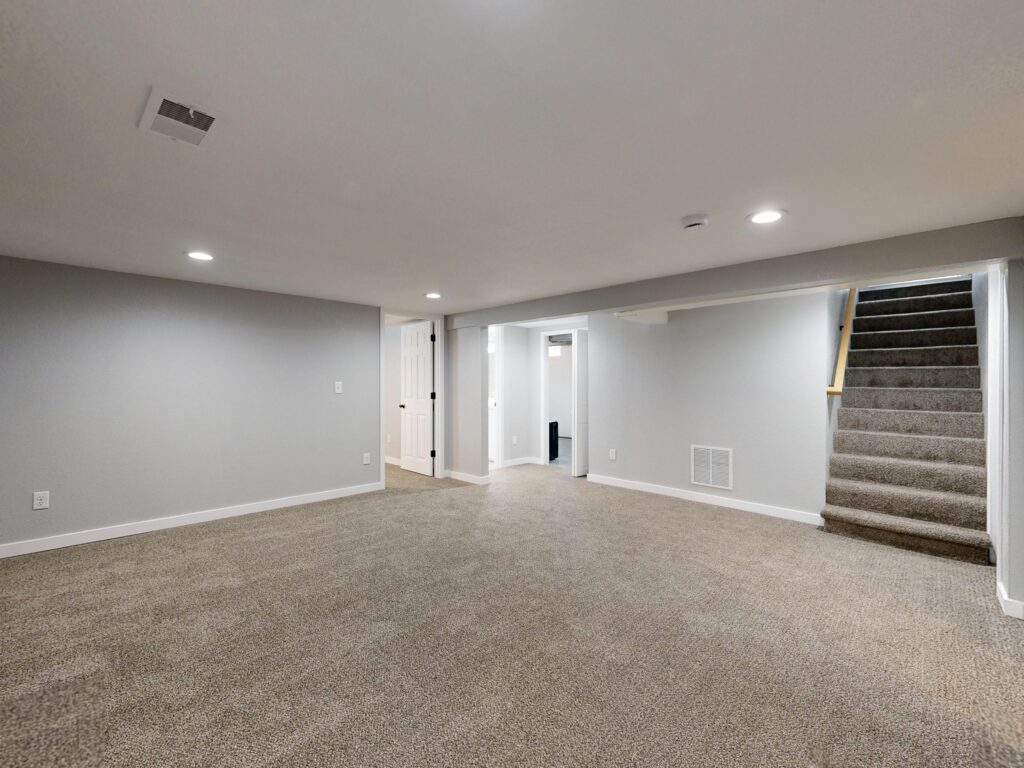
    Top Basement Finishing Trends for Denver Homeowners in 2026 in Denver, CO – Frontier Design Remodeling See Our Basement Projects Basements are no longer dark storage spaces filled with holiday decorations and unused furniture. In 2026, Denver homeowners are transforming unfinished basements into some of the most valuable and functional areas of the home. From luxury entertainment rooms and wellness retreats to legal guest suites and income-generating rental spaces, basement finishing has become one of the smartest remodeling investments in Colorado. As Denver home prices continue to rise, homeowners are maximizing every square foot of existing space instead of moving or building expensive additions. Modern basement remodeling trends are focused on flexibility, comfort, and long-term value. Homeowners want lower levels that feel just as inviting and stylish as the main floor — not like an afterthought. If you’re planning a basement remodel this year, these are the top basement finishing trends Denver homeowners are embracing in 2026. Why Basement Finishing Is a Smart Investment Basement finishing remains one of the best ways to increase usable living space and home value in Denver. Benefits include: Increased square footage Better functionality Higher resale value Improved family living Income potential Enhanced entertainment space In Denver’s competitive housing market, finished basements are increasingly viewed as premium features by buyers. Kitchen Remodeling Bathroom Remodel Basement Finishing Custom Carpentry Why Basement Finishing Is So Popular in Denver Denver homes are uniquely suited for basement remodeling because many properties already include large unfinished lower levels with full-height ceilings and existing utility rough-ins. Instead of paying for costly above-ground additions, homeowners can create substantial living space within the home’s existing footprint. According to Denver remodeling experts, basement finishing offers one of the highest returns on investment among major home improvement projects. A finished basement can dramatically increase usable square footage, improve home functionality, and add significant resale value. For many homeowners, basement remodeling is also more practical than relocating in Denver’s competitive housing market. 1. Multi-Functional Basement Spaces One of the biggest basement finishing trends in 2026 is flexibility. Denver homeowners no longer want basements designed for a single purpose. Instead, they are creating multi-functional spaces that adapt to changing lifestyles and family needs. Today’s finished basements often combine several features into one cohesive design. Popular Multi-Use Basement Ideas Entertainment rooms Home offices Guest suites Workout areas Gaming zones Homework stations Reading lounges Kids’ play areas For example, a basement may function as a quiet remote work office during the day and transform into a family movie room at night. This trend reflects modern lifestyles where homeowners expect every square foot to work harder and provide greater versatility. 2. Luxury Home Theaters and Entertainment Rooms Entertainment-focused basements remain one of the most requested remodeling upgrades in Denver homes. However, today’s media rooms are becoming far more sophisticated than simple TV spaces. Trending Entertainment Features Large projection screens Built-in surround sound systems Custom lighting scenes Acoustic wall treatments Luxury reclining seating Wet bars Beverage stations Gaming setups Many homeowners are also designing sports lounge-inspired entertainment areas perfect for hosting gatherings during football season or movie nights with family and friends.The goal is creating an immersive entertainment experience without leaving home. 3. Basement Guest Suites and In-Law Spaces Guest accommodations are becoming a major priority in basement remodeling projects.As multigenerational living increases and families host visitors more frequently, Denver homeowners are creating comfortable private suites in their basements. Popular Guest Suite Features Full bathrooms Bedrooms with egress windows Kitchenettes Separate living areas Laundry access Sound insulation Private entrances Finished basement guest suites offer flexibility for: Visiting family members Aging parents College students Long-term guests Future rental opportunities Many homeowners are also preparing their homes for long-term adaptability by designing lower-level living spaces that can evolve over time. 4. Basement Apartments and Income-Producing Spaces In 2026, some Denver homeowners are finishing basements with rental income in mind.High housing costs and strong rental demand have made basement apartments increasingly attractive in certain neighborhoods. Features Common in Basement Rental Conversions Separate entrances Full kitchens Private bathrooms Legal bedrooms Dedicated HVAC systems Soundproofing Separate laundry According to local discussions and real estate trends, basement conversions can provide significant long-term financial value for homeowners looking to offset housing costs. However, legal basement apartments require proper permits, code compliance, and egress solutions. Denver building regulations should always be reviewed carefully before beginning construction. 5. Warm, Cozy Design Aesthetics The cold industrial basement look is fading quickly. In 2026, Denver homeowners are prioritizing warmth, comfort, and inviting aesthetics in basement design. Trending Basement Design Styles Mountain-modern interiors Organic textures Earth-tone palettes Soft lighting Natural wood accents Textured fabrics Warm neutral colors Designers are moving away from overly gray or sterile interiors in favor of richer, more grounded spaces that feel comfortable year-round. Popular colors include: Warm taupe Olive green Deep charcoal Soft clay tones Walnut wood finishes These warmer palettes work especially well with Denver’s bright natural light and Colorado-inspired architecture. 6. Home Wellness Spaces Health and wellness-focused remodeling continues to grow in popularity. Denver homeowners are increasingly transforming basements into wellness retreats that support both physical and mental well-being. Trending Wellness Features Home gyms Yoga studios Meditation rooms Sauna installations Recovery zones Stretching spaces Spa-inspired bathrooms Wellness-centered basement design reflects the active Colorado lifestyle and growing emphasis on self-care at home.Some homeowners are even creating “analog rooms” — quiet spaces intentionally designed to reduce digital distractions and encourage relaxation. 7. Sophisticated Wet Bars and Kitchenettes Sustainability is no longer a niche trend — it is becoming a major priority for Denver homeowners. Colorado residents are particularly conscious of energy efficiency and environmentally friendly building practices. Many kitchen remodeling projects now incorporate eco-friendly materials and energy-saving upgrades. Popular Wet Bar Features Quartz countertops Floating shelves Wine refrigerators Built-in beverage coolers Custom cabinetry Accent lighting Statement backsplashes Kitchenettes are also becoming increasingly common in guest suites and basement apartments.These additions improve convenience while making lower-level spaces feel more complete and independent. 8. Smart Lighting Design Lighting is one

    Top Basement Finishing Trends for Denver Homeowners in 2026 Read More »

    Best Kitchen Remodeling Ideas for Denver Homes in 2026

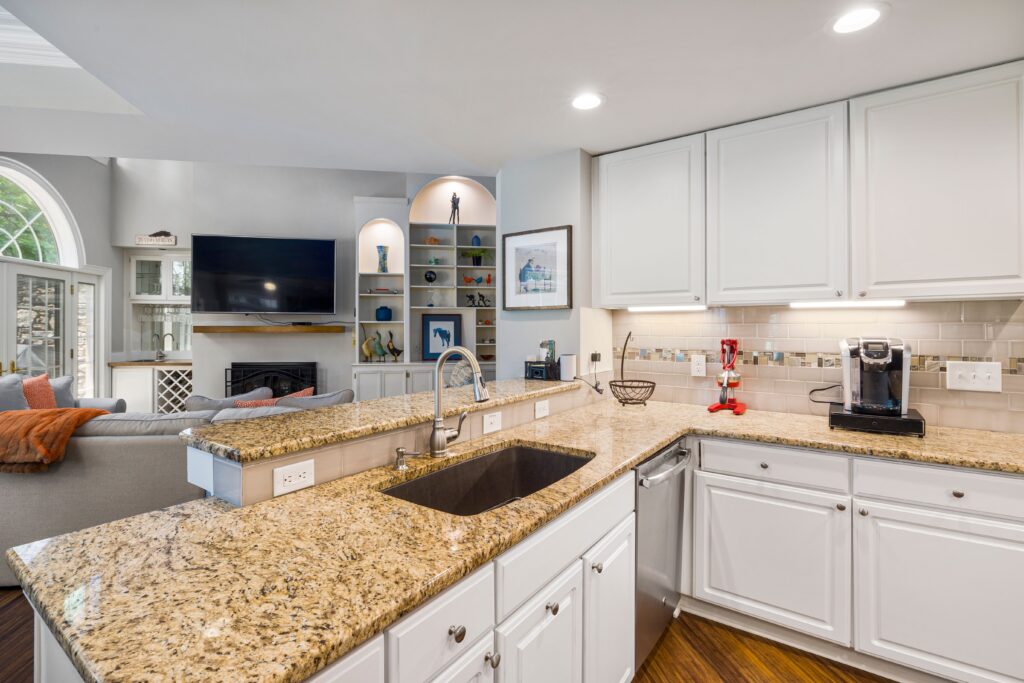
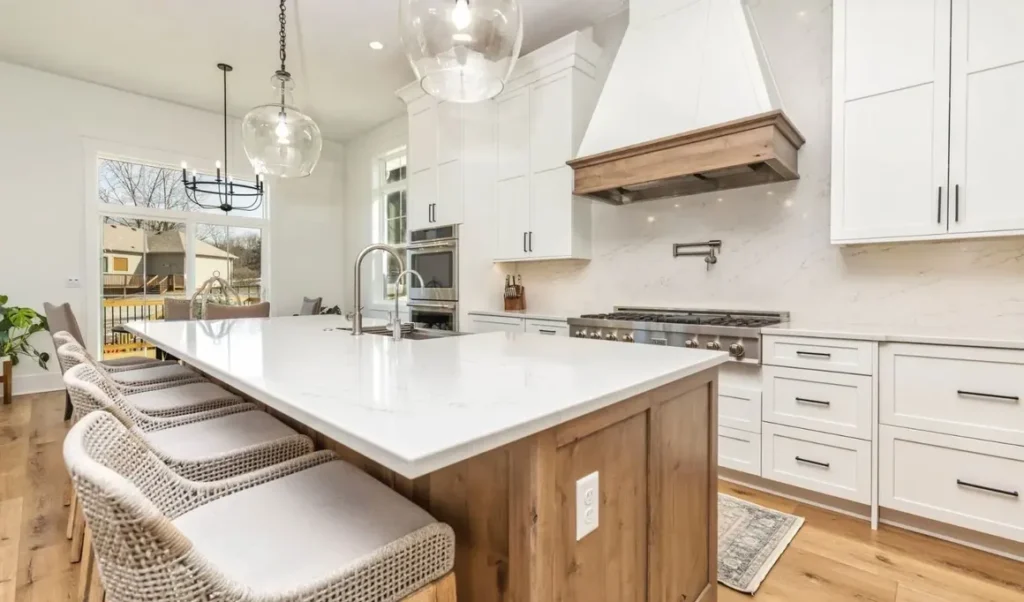
    Best Kitchen Remodeling Ideas for Denver Homes in 2026 in Denver, CO – Frontier Design Remodeling See Our Kitchen Projects The kitchen has always been the heart of the home, but in 2026, Denver homeowners are reimagining it as much more than a place to cook. Today’s kitchens are multifunctional gathering spaces designed for entertaining, remote work, family connection, and everyday efficiency. From smart technology and sustainable materials to warm natural textures and open-concept layouts, modern kitchen remodeling trends are transforming homes across the Denver metro area. Whether you own a historic bungalow in Denver, a mountain-inspired home in Arvada, or a contemporary property in the suburbs, investing in a kitchen remodel can dramatically improve your home’s beauty, functionality, and resale value. According to remodeling professionals, homeowners in Denver are prioritizing layouts that maximize storage, increase natural light, improve workflow, and integrate high-end finishes with practical everyday living. What Denver Homeowners Should Consider Before Remodeling Before starting a kitchen remodel, it’s important to plan carefully. Key Factors to Consider Layout Efficiency Think carefully about workflow, appliance placement, and traffic patterns. Storage Needs Modern kitchens require smart storage solutions to maintain clean and organized spaces. Lighting Design Layered lighting dramatically improves functionality and aesthetics. Budget Planning Kitchen remodel costs in Denver can vary significantly depending on project scope, materials, and structural changes. Full-service kitchen remodeling projects often range from moderate upgrades to luxury renovations exceeding $75,000. Permits and Regulations Structural, electrical, and plumbing changes may require permits and inspections in Denver. Professional contractors can help simplify this process. Kitchen Remodeling Bathroom Remodel Basement Finishing Custom Carpentry If you’re planning a kitchen renovation this year, these are the best kitchen remodeling ideas for Denver homes in 2026. 1. Open-Concept Kitchens Continue to Dominate Open-concept kitchens remain one of the most requested remodeling upgrades in Denver homes. Homeowners are removing walls to create seamless transitions between kitchens, dining rooms, and living spaces. This design approach works especially well for Colorado lifestyles because it creates bright, airy interiors that maximize natural light and improve flow for entertaining. Open layouts also make homes feel larger and more connected. In 2026, the trend is evolving beyond simply removing walls. Denver homeowners now want: Oversized kitchen islands Defined entertaining zones Hidden storage solutions Better indoor-outdoor connections Multi-use spaces for work and dining Many remodeling experts recommend evaluating structural modifications carefully because wall removals often require permits and professional planning. Why Denver Homeowners Love Open Kitchens Improved natural lighting Better family interaction Increased home value More entertaining space Enhanced modern aesthetic For homes with mountain views or beautiful backyards, open-concept kitchens also help create stronger visual connections to outdoor living areas. 2. Large Statement Kitchen Islands Kitchen islands are no longer optional — they are now the centerpiece of modern kitchen design. In Denver homes, oversized islands are especially popular because they combine functionality with style. Homeowners are using islands for: Casual dining Extra prep space Homework stations Wine storage Built-in appliances Hidden charging stations Additional cabinetry Many 2026 designs feature waterfall-edge countertops using quartz or natural stone to create a luxurious focal point. According to Denver remodeling professionals, custom kitchen islands are among the most valuable additions homeowners can make because they improve workflow while increasing storage and seating capacity. Trending Island Features for 2026 Double islands in larger homes Contrasting cabinet colors Integrated induction cooktops Under-island LED lighting Built-in microwave drawers Beverage refrigerators Seating for 4–6 people For smaller Denver homes, compact multifunctional islands with smart storage are becoming increasingly popular. 3. Smart Kitchens with Integrated Technology Technology is transforming kitchens faster than ever. In 2026, smart kitchens are becoming a standard feature in upscale Denver remodeling projects. Modern homeowners want kitchens that simplify everyday tasks while improving convenience and energy efficiency. Popular Smart Kitchen Upgrades Voice-activated lighting Smart faucets Wi-Fi-enabled appliances Motion-sensor cabinet lighting Smart refrigerators Automated coffee stations App-controlled ovens Integrated charging drawers Smart kitchens are especially appealing for busy professionals and families looking to streamline daily routines. Denver remodeling contractors are also seeing increased demand for hidden technology that blends seamlessly into kitchen aesthetics rather than standing out visually. 4. Warm Natural Wood Cabinetry After years of all-white kitchens dominating design trends, warm wood cabinetry is making a strong comeback in 2026. Denver homeowners are embracing natural materials that reflect Colorado’s mountain-inspired lifestyle. White oak, walnut, alder, and rift-cut wood finishes are becoming top choices for modern kitchen remodels. These wood tones create warmth and texture while maintaining a clean contemporary appearance. Popular Cabinet Trends Flat-panel wood cabinets Two-tone cabinetry Mixed material combinations Minimalist hardware Soft-close systems Full-height cabinetry Natural wood pairs beautifully with stone countertops, matte black fixtures, and earthy color palettes. Many homeowners are also choosing custom cabinetry solutions to maximize storage and improve organization. Frontier Design Remodeling emphasizes personalized kitchen solutions tailored to each homeowner’s style and functionality needs. 5. Quartz Countertops Remain the Top Choice Quartz countertops continue to dominate Denver kitchen remodeling projects in 2026 — and for good reason. Quartz offers the perfect combination of durability, elegance, and low maintenance, making it ideal for busy households. Why Quartz Is So Popular Resistant to stains and scratches Easy to clean Non-porous surface Available in countless colors Excellent long-term durability Many homeowners are selecting quartz designs that mimic natural marble while offering greater practicality. Popular 2026 countertop trends include: Waterfall edges Dramatic veining Matte finishes Neutral earthy tones Thick countertop profiles Professional remodelers in Denver consistently recommend quartz for homeowners seeking a balance between luxury and functionality. 6. Hidden Storage Solutions Modern kitchen design is all about reducing clutter while maximizing efficiency. Denver homeowners are increasingly investing in hidden storage features that improve organization without sacrificing aesthetics. Trending Hidden Storage Ideas Pull-out pantry systems Appliance garages Deep drawer organizers Hidden spice racks Toe-kick drawers Vertical tray storage Built-in recycling centers Concealed charging stations Custom cabinetry is especially valuable in older Denver homes where kitchen layouts may be smaller or less functional. Well-designed storage solutions can make even compact

    Best Kitchen Remodeling Ideas for Denver Homes in 2026 Read More »