

Get In Touch
Serving Denver, CO & Surrounding Areas
Call Now for a Free Consultation!
303-990-3676
Email Us
info@frontierdesignremodeling.com
Home remodeling is one of the best ways to improve comfort, functionality, and property value. Whether you’re planning a kitchen renovation, basement finishing project, bathroom upgrade, or full home addition, one question always comes up first:
Do you need permits for home remodeling in Denver, Colorado?
In most cases, the answer is yes.
Denver has specific building codes and permitting requirements designed to ensure remodeling projects are safe, structurally sound, and compliant with local regulations. While some cosmetic upgrades can be completed without permits, many remodeling projects involving plumbing, electrical work, structural changes, or mechanical systems require approval from the city before work begins.
Understanding when permits are required can help homeowners avoid costly fines, failed inspections, construction delays, insurance complications, and future resale problems.
If you’re planning a remodeling project in Denver in 2026, this complete guide explains everything you need to know about remodeling permits, including which projects require them, how the process works, why permits matter, and how professional contractors can simplify the entire experience.
A remodeling permit is official approval from the local building department allowing construction or renovation work to proceed legally.
In Denver, permits are managed through the City and County of Denver’s Community Planning and Development Department. The city reviews remodeling plans to ensure projects comply with building safety standards, zoning laws, electrical codes, plumbing regulations, and structural requirements.
Although permits may seem like an inconvenience, they are intended to ensure remodeling work is completed safely and correctly.
Some homeowners are tempted to skip permits to save time or money. However, unpermitted remodeling can create major problems later.
Potential Risks of Remodeling Without Permits
Denver officials can require homeowners to remove or redo unpermitted work if it fails inspection or violates building codes.
Additionally, many buyers and inspectors now look carefully for permit history during real estate transactions. Unpermitted renovations can raise concerns about hidden electrical, plumbing, or structural issues.
The biggest misconception homeowners have is believing permits are only needed for major additions or new construction.
In reality, many common remodeling projects require permits in Denver.
Generally, permits are required whenever remodeling affects:
Below are the most common home remodeling projects that typically require permits in Denver.
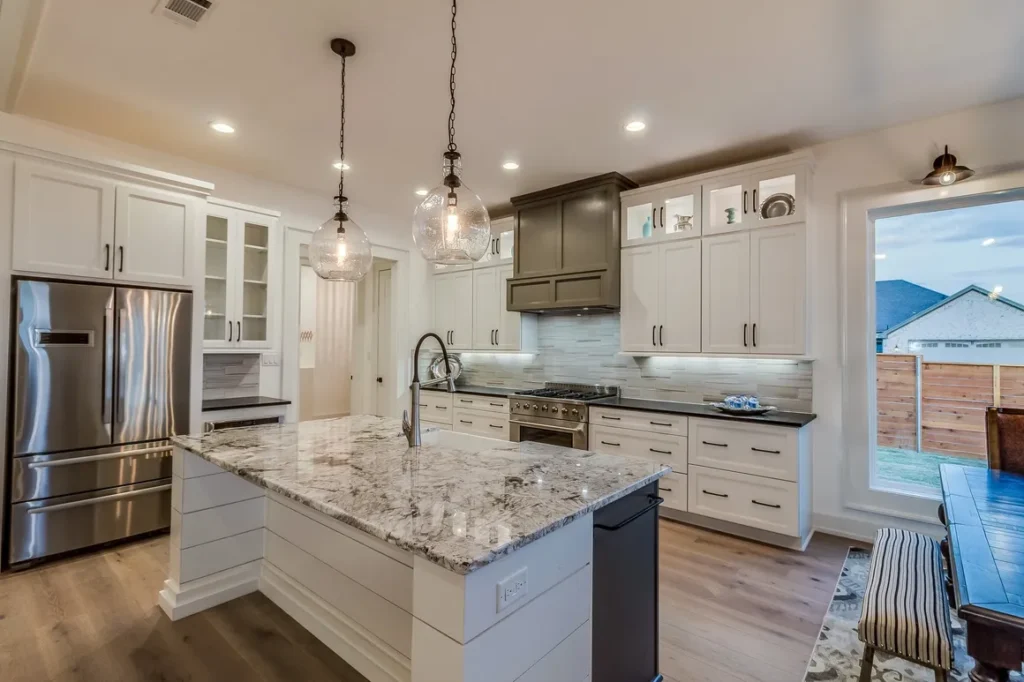
Kitchen remodels are among the most popular renovation projects in Colorado homes.
However, many kitchen upgrades involve systems that legally require permits.
According to Denver permit guidelines, cosmetic updates like replacing cabinets, countertops, or flooring without altering utilities often do not require permits. However, once plumbing, electrical, or structural work is involved, permits are generally necessary.
For example, replacing a faucet in the same location may not require a permit. But relocating the sink or adding new plumbing lines almost certainly will.
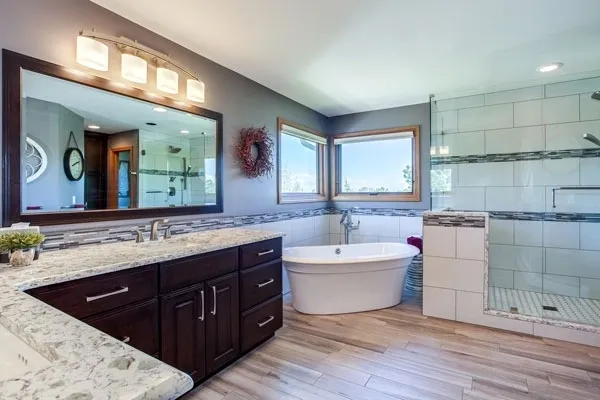
Bathroom remodels often involve multiple systems at once, making permits very common.
Because bathrooms involve water, ventilation, drainage, and electrical systems, proper inspections are essential for safety and moisture prevention.
Professional remodeling contractors typically handle bathroom permit applications as part of the project management process.
Basement remodeling is extremely popular in Denver because it adds valuable living space without changing the home’s footprint.
However, basement projects almost always require permits.
Denver building officials closely review basement projects for fire safety, ventilation, structural compliance, and emergency egress requirements.
If you are adding a bedroom in a basement, Denver code typically requires a properly sized egress window for emergency escape purposes.
This is especially important in older Denver homes where basements may not originally meet modern code standards.
Yes — home additions almost always require permits.
Additions That Require Approval
These projects involve structural engineering, zoning compliance, utility connections, and safety reviews.
Denver also reviews setbacks, lot coverage, height restrictions, and neighborhood zoning requirements before approving additions.
Electrical permits are required for most significant electrical modifications.
Minor fixture replacement may not require a permit if no wiring changes are made.
Electrical inspections are important because faulty wiring can create serious fire hazards.
Most plumbing modifications require permits in Denver.
Improper plumbing can cause leaks, water damage, mold growth, and long-term structural issues.
Heating and cooling system modifications also commonly require permits.
Denver’s high-altitude climate can affect HVAC sizing and ventilation requirements, which is why inspections matter for system performance and safety.
Not every home improvement project requires city approval.
Cosmetic-only upgrades are typically exempt from permit requirements.
However, homeowners should always verify requirements because regulations can vary depending on project scope and local code updates.
Denver adopted updated building and fire codes in 2025 that continue into 2026 remodeling projects. These updates include newer International Residential Code (IRC) standards and energy-efficiency requirements.
Modern codes may affect:
Older homes undergoing major renovations may require upgrades to meet current code standards during remodeling.
The permitting process can feel overwhelming for homeowners unfamiliar with construction regulations.
Here’s a simplified overview of how the process usually works.
The remodeling contractor or designer develops project plans and construction drawings.
These plans may include:
Applications are submitted to Denver’s e-permits system for review.
The city evaluates:
Once approved, the permit is issued and construction can legally begin.
Permit timelines vary depending on project complexity.
Simple remodels may be approved quickly, while additions or structural projects can take several weeks.
City inspectors review different phases of construction.
Common inspections include:
Inspections ensure the work complies with approved plans and building codes.
After passing inspections, the project receives final approval and documentation is completed.
This paperwork becomes important for future home sales and property records.
In many remodeling projects, the licensed contractor handles the permit process on behalf of the homeowner.
Professional design-build remodeling companies typically:
Working with experienced remodeling professionals can simplify the entire process and reduce delays.
Technically, some homeowners do complete renovations without permits — but it carries significant risk.
Discussions among Denver homeowners show that unpermitted work can create complications during inspections, appraisals, refinancing, and resale transactions.
Even if unpermitted work appears visually acceptable, hidden issues behind walls may create serious safety concerns.
Professional remodelers strongly recommend obtaining proper permits whenever required.
Experienced remodeling companies understand Denver’s permit requirements and building codes.
Professional contractors help homeowners by:
This expertise becomes especially important for structural remodels, additions, kitchens, bathrooms, and basement finishing projects.
Companies like Frontier Design Remodeling help homeowners navigate the remodeling process from design through final inspections while ensuring projects comply with local Denver regulations.
Permit timelines vary depending on project complexity and city workload.
Project Type |
Estimated Timeline |
|---|---|
Cosmetic remodel
|
No permit needed
|
Kitchen remodel
|
1–3 weeks
|
Bathroom remodel
|
1–3 weeks
|
Basement finishing
|
2–4 weeks
|
Home addition
|
Several weeks or longer
|
Complex projects involving structural engineering or zoning reviews may take additional time.
Permit approvals can take time, so build them into your remodeling timeline.
Experienced contractors understand local requirements and inspections.
Inspections protect your investment and ensure work is completed safely.
Save final permit documentation for future resale and insurance purposes.
Permit rules can vary depending on project scope and municipality.
So, do you need permits for home remodeling in Denver, Colorado? In most cases, yes.
If your remodeling project involves structural work, plumbing, electrical systems, HVAC modifications, room additions, basement finishing, or major kitchen and bathroom upgrades, permits are typically required under Denver building regulations.
While permits may feel like an extra step, they help ensure your home is safe, code-compliant, and properly documented for the future.
The best remodeling projects are not only beautiful — they are built correctly, inspected properly, and designed to protect your investment for years to come.
303-990-3676
info@frontierdesignremodeling.com